Buy disegnidacolorare.eu ?
We are moving the project
disegnidacolorare.eu .
Are you interested in purchasing the domain
disegnidacolorare.eu ?
domain@kv-gmbh.de · 0541-91531010
Buy disegnidacolorare.eu ?
What is the replication origin in DNA replication?
The replication origin is a specific sequence of DNA where the process of DNA replication begins. It is the site where the two strands of the DNA double helix are separated and the replication machinery is assembled. The replication origin is recognized by specific proteins that initiate the unwinding of the DNA and the synthesis of new DNA strands. Each DNA molecule has multiple replication origins to ensure that the entire genome is replicated efficiently. **
What is semiconservative replication?
Semiconservative replication is the process by which DNA is copied during cell division. In this process, the two strands of the DNA double helix separate, and each strand serves as a template for the synthesis of a new complementary strand. As a result, each new DNA molecule contains one original strand and one newly synthesized strand. This ensures that the genetic information is preserved and passed on to the next generation of cells. This process was first proposed by James Watson and Francis Crick in 1953. **


Similar search terms for Replication
Top-Angebote
Products related to Replication:
-
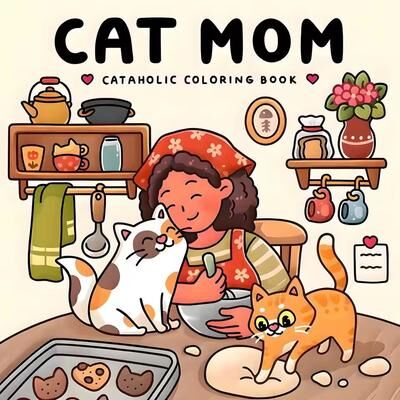
Color Me Naughty Cats Coloring Book, Perfect Gift For Cat Mom, Stress Relief Drawing Book For Simple Joys, Party, Birthday 1Discover your purrfect creative escape with the Naughty Cats Coloring Book. This isn't just a drawing book; it's a portal to simple joys and daily stress relief. Designed especially for the Cat Mom in your life (even if that's you!), each page...23,97 $*Shipping: 0,00 $Secure redirect to the provider
-
Modern Mode Marketplace Space Doodle Board For Kids Travel Activities Toy Colored Drawing Tablet Autism Sensory Toddler Birthday Gift purple blueIntroducing the AstroDraw Colored Drawing Tablet for Kids The AstroDraw Colored Drawing Tablet is the perfect travel companion for kids who love to doodle and engage in creative activities onthego. Whether you're on a long car ride, waiting in a...44,97 $*Shipping: 0,00 $Secure redirect to the provider
-
Javlergo Black Frame Vintage Brown Drawing Table Adjustable Angle Rolling Art Desk with Storage Brake Wheels for Drawing WritingElevate your creative workspace with this versatile adjustable drafting table, designed as a rolling art desk and computer workstation.82,39 $*Shipping: 0,00 $Secure redirect to the provider
-
Uplift Picks Vibration Drawing Game Interactive Drawing And Guessing Party Game Toy Vibration Drawing Game Interactive Drawing And Guessing Party Game ToyGet ready for uncontrollable laughter and wildly unexpected drawings. This vibration drawing game turns simple sketching into a hilarious challenge as the vibrating brush makes lines wobble and twist. Designed for friends, families, and party...94,50 $*Shipping: 0,00 $Secure redirect to the provider



-
What is DNA replication?
DNA replication is the process by which a cell makes an identical copy of its DNA. This process is essential for cell division and the transmission of genetic information from one generation to the next. It involves the unwinding of the DNA double helix, the synthesis of new complementary strands using the existing strands as templates, and the proofreading and correction of any errors. DNA replication ensures that each new cell receives a complete and accurate set of genetic instructions. **
-
What is RNA self-replication?
RNA self-replication is a process where RNA molecules are able to catalyze their own replication without the need for external enzymes. This ability is crucial for the early evolution of life on Earth, as it is believed to be a key step in the transition from prebiotic chemistry to the emergence of life. RNA self-replication involves the RNA molecule acting as both a template and an enzyme, allowing it to make copies of itself. This process is a fundamental aspect of the RNA world hypothesis, which suggests that RNA played a central role in the origin of life. **
-
How does DNA replication occur?
DNA replication occurs in a semi-conservative manner, where the two strands of the double helix are separated and each strand serves as a template for the synthesis of a new complementary strand. The enzyme helicase unwinds the double helix, creating two single strands. DNA polymerase then adds new nucleotides to each single strand, following the base-pairing rules (A with T, and C with G). This results in two identical double-stranded DNA molecules, each containing one original strand and one newly synthesized strand. **
-
Where does DNA replication occur?
DNA replication occurs in the nucleus of eukaryotic cells and in the cytoplasm of prokaryotic cells. In eukaryotic cells, DNA replication takes place during the S phase of the cell cycle, when the DNA is duplicated to ensure that each daughter cell receives a complete set of genetic information. The process involves the unwinding of the DNA double helix, the synthesis of new DNA strands using existing strands as templates, and the proofreading and correction of errors. Overall, DNA replication is a fundamental process that ensures the accurate transmission of genetic information from one generation to the next. **


What is a replication bubble?
A replication bubble is a region of DNA where the double helix has been unwound and separated to allow for DNA replication to occur. It is formed by the action of helicase enzymes that unwind the DNA strands, creating two single-stranded templates for the replication process. The replication bubble expands as the replication machinery moves along the DNA, synthesizing new strands of DNA. Replication bubbles are a key feature of DNA replication and allow for the efficient and accurate copying of genetic information. **
How does semiconservative DNA replication occur?
Semiconservative DNA replication occurs in the following way: the double-stranded DNA molecule unwinds and separates into two strands. Each separated strand serves as a template for the synthesis of a new complementary strand. Enzymes called DNA polymerases add nucleotides to the new strands based on the complementary base pairing rules (A with T, C with G). As a result, two identical DNA molecules are produced, each consisting of one original strand and one newly synthesized strand. This process ensures that genetic information is faithfully passed on to daughter cells during cell division. **
Top-Angebote
Products related to Replication:
-
Color Me Fun Coloring Book For Kids, Cartoon Animal Drawing Book, Graffiti Art, Ideal For Children cat VersionUnlock a world of creativity and joyful learning for your little artist with our Children's Coloring Book. Bursting with charming Cartoon Animal Drawing Book pages and exciting Graffiti Coloring Book sections, this is more than just a Fun Coloring...24,97 $*Shipping: 0,00 $Secure redirect to the provider
-
Multisell Products Hub Watercolor Markers Art Set, Drawing And Crafts Set With Durable Plastic Bodies, Perfect Christmas Gift Watercolor Markers Art Set, Drawing And Crafts Set With Durable Plastic Bodies, Perfect Christmas GiftVibrant and Versatile Art Supplies: The Ended Watercolor Markers Art Set is a musthave for any artist, whether you're a beginner or a seasoned crafter. With a wide range of colors, it provides endless possibilities for drawing and crafts, making it...59,97 $*Shipping: 0,00 $Secure redirect to the provider
-
Color Me Naughty Cats Coloring Book, Perfect Gift For Cat Mom, Stress Relief Drawing Book For Simple Joys, Party, Birthday 1Discover your purrfect creative escape with the Naughty Cats Coloring Book. This isn't just a drawing book; it's a portal to simple joys and daily stress relief. Designed especially for the Cat Mom in your life (even if that's you!), each page...23,97 $*Shipping: 0,00 $Secure redirect to the provider
-
Modern Mode Marketplace Space Doodle Board For Kids Travel Activities Toy Colored Drawing Tablet Autism Sensory Toddler Birthday Gift purple blueIntroducing the AstroDraw Colored Drawing Tablet for Kids The AstroDraw Colored Drawing Tablet is the perfect travel companion for kids who love to doodle and engage in creative activities onthego. Whether you're on a long car ride, waiting in a...44,97 $*Shipping: 0,00 $Secure redirect to the provider
-
What is the replication origin in DNA replication?
The replication origin is a specific sequence of DNA where the process of DNA replication begins. It is the site where the two strands of the DNA double helix are separated and the replication machinery is assembled. The replication origin is recognized by specific proteins that initiate the unwinding of the DNA and the synthesis of new DNA strands. Each DNA molecule has multiple replication origins to ensure that the entire genome is replicated efficiently. **
-
What is semiconservative replication?
Semiconservative replication is the process by which DNA is copied during cell division. In this process, the two strands of the DNA double helix separate, and each strand serves as a template for the synthesis of a new complementary strand. As a result, each new DNA molecule contains one original strand and one newly synthesized strand. This ensures that the genetic information is preserved and passed on to the next generation of cells. This process was first proposed by James Watson and Francis Crick in 1953. **
-
What is DNA replication?
DNA replication is the process by which a cell makes an identical copy of its DNA. This process is essential for cell division and the transmission of genetic information from one generation to the next. It involves the unwinding of the DNA double helix, the synthesis of new complementary strands using the existing strands as templates, and the proofreading and correction of any errors. DNA replication ensures that each new cell receives a complete and accurate set of genetic instructions. **
-
What is RNA self-replication?
RNA self-replication is a process where RNA molecules are able to catalyze their own replication without the need for external enzymes. This ability is crucial for the early evolution of life on Earth, as it is believed to be a key step in the transition from prebiotic chemistry to the emergence of life. RNA self-replication involves the RNA molecule acting as both a template and an enzyme, allowing it to make copies of itself. This process is a fundamental aspect of the RNA world hypothesis, which suggests that RNA played a central role in the origin of life. **
Similar search terms for Replication
-
Javlergo Black Frame Vintage Brown Drawing Table Adjustable Angle Rolling Art Desk with Storage Brake Wheels for Drawing WritingElevate your creative workspace with this versatile adjustable drafting table, designed as a rolling art desk and computer workstation.82,39 $*Shipping: 0,00 $Secure redirect to the provider
-
Uplift Picks Vibration Drawing Game Interactive Drawing And Guessing Party Game Toy Vibration Drawing Game Interactive Drawing And Guessing Party Game ToyGet ready for uncontrollable laughter and wildly unexpected drawings. This vibration drawing game turns simple sketching into a hilarious challenge as the vibrating brush makes lines wobble and twist. Designed for friends, families, and party...94,50 $*Shipping: 0,00 $Secure redirect to the provider
-
Color Me Unique Cat Coloring Book For Adults, With Upgraded Paper For Comfortable Coloring, The Perfect Relaxation Gift Unique Cat Coloring Book For Adults, With Upgraded Paper For Comfortable Coloring, The Perfect Relaxation GiftUnwind, destress, and unleash your creativity with our Unique CatThemed Picture Book for Relaxation. This isn't just another adult coloring book; it's a gateway to mindfulness and peaceful moments, designed specifically for cat lovers and coloring...25,97 $*Shipping: 0,00 $Secure redirect to the provider
-
Uplift Picks DIY Coloring Blanket With 24 Markers Creative Reusable Art Throw mushroomTurn cozy time into a creative activity with this DIY coloring blanket made for kids, families, and anyone who loves handson art. It includes 24 colored markers so you can personalize the printed design with your own color combinations. The soft...97,98 $*Shipping: 0,00 $Secure redirect to the provider
-
How does DNA replication occur?
DNA replication occurs in a semi-conservative manner, where the two strands of the double helix are separated and each strand serves as a template for the synthesis of a new complementary strand. The enzyme helicase unwinds the double helix, creating two single strands. DNA polymerase then adds new nucleotides to each single strand, following the base-pairing rules (A with T, and C with G). This results in two identical double-stranded DNA molecules, each containing one original strand and one newly synthesized strand. **
-
Where does DNA replication occur?
DNA replication occurs in the nucleus of eukaryotic cells and in the cytoplasm of prokaryotic cells. In eukaryotic cells, DNA replication takes place during the S phase of the cell cycle, when the DNA is duplicated to ensure that each daughter cell receives a complete set of genetic information. The process involves the unwinding of the DNA double helix, the synthesis of new DNA strands using existing strands as templates, and the proofreading and correction of errors. Overall, DNA replication is a fundamental process that ensures the accurate transmission of genetic information from one generation to the next. **
-
What is a replication bubble?
A replication bubble is a region of DNA where the double helix has been unwound and separated to allow for DNA replication to occur. It is formed by the action of helicase enzymes that unwind the DNA strands, creating two single-stranded templates for the replication process. The replication bubble expands as the replication machinery moves along the DNA, synthesizing new strands of DNA. Replication bubbles are a key feature of DNA replication and allow for the efficient and accurate copying of genetic information. **
-
How does semiconservative DNA replication occur?
Semiconservative DNA replication occurs in the following way: the double-stranded DNA molecule unwinds and separates into two strands. Each separated strand serves as a template for the synthesis of a new complementary strand. Enzymes called DNA polymerases add nucleotides to the new strands based on the complementary base pairing rules (A with T, C with G). As a result, two identical DNA molecules are produced, each consisting of one original strand and one newly synthesized strand. This process ensures that genetic information is faithfully passed on to daughter cells during cell division. **
* All prices are inclusive of VAT and, if applicable, plus shipping costs. The offer information is based on the details provided by the respective shop and is updated through automated processes. Real-time updates do not occur, so deviations can occur in individual cases. ** Note: Parts of this content were created by AI.