Buy disegnidacolorare.eu ?
We are moving the project
disegnidacolorare.eu .
Are you interested in purchasing the domain
disegnidacolorare.eu ?
domain@kv-gmbh.de · 0541-91531010
Buy disegnidacolorare.eu ?
When do you conjugate "avoir"?
The verb "avoir" is conjugated when talking about possession or to form compound tenses such as the passé composé. In these cases, "avoir" is conjugated according to the subject of the sentence. For example, "J'ai un chat" (I have a cat) or "Nous avons mangé" (We have eaten). **
How do you conjugate falloir?
The verb "falloir" is an impersonal verb, meaning it is only used in the third person singular. It is conjugated as "il faut" in the present tense, "il fallait" in the imperfect tense, and "il faudra" in the future tense. There is no need to conjugate it for different subjects, as it always remains in the third person singular form. **


Similar search terms for Conjugate
Top-Angebote
Products related to Conjugate:
-
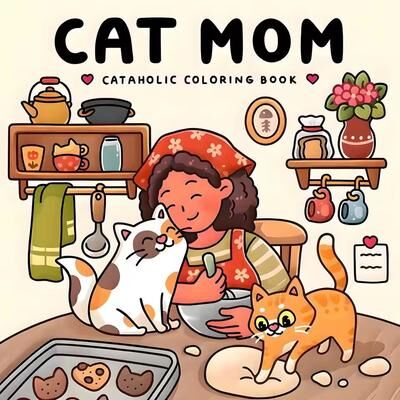
Color Me Naughty Cats Coloring Book, Perfect Gift For Cat Mom, Stress Relief Drawing Book For Simple Joys, Party, Birthday 1Discover your purrfect creative escape with the Naughty Cats Coloring Book. This isn't just a drawing book; it's a portal to simple joys and daily stress relief. Designed especially for the Cat Mom in your life (even if that's you!), each page...23,97 $*Shipping: 0,00 $Secure redirect to the provider
-
Modern Mode Marketplace Space Doodle Board For Kids Travel Activities Toy Colored Drawing Tablet Autism Sensory Toddler Birthday Gift purple blueIntroducing the AstroDraw Colored Drawing Tablet for Kids The AstroDraw Colored Drawing Tablet is the perfect travel companion for kids who love to doodle and engage in creative activities onthego. Whether you're on a long car ride, waiting in a...44,97 $*Shipping: 0,00 $Secure redirect to the provider
-
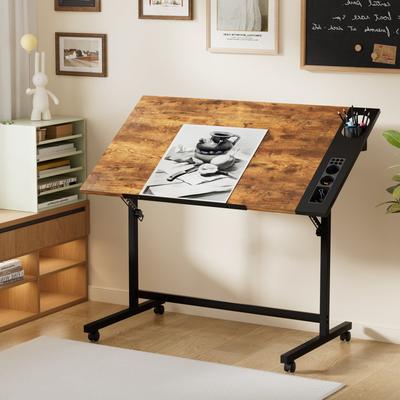
Javlergo Black Frame Vintage Brown Drawing Table Adjustable Angle Rolling Art Desk with Storage Brake Wheels for Drawing WritingElevate your creative workspace with this versatile adjustable drafting table, designed as a rolling art desk and computer workstation.102,99 $*Shipping: 0,00 $Secure redirect to the provider
-
Uplift Picks Vibration Drawing Game Interactive Drawing And Guessing Party Game Toy Vibration Drawing Game Interactive Drawing And Guessing Party Game ToyGet ready for uncontrollable laughter and wildly unexpected drawings. This vibration drawing game turns simple sketching into a hilarious challenge as the vibrating brush makes lines wobble and twist. Designed for friends, families, and party...94,50 $*Shipping: 0,00 $Secure redirect to the provider


-
How do you conjugate French adjectives?
In French, adjectives must agree in gender (masculine or feminine) and number (singular or plural) with the noun they modify. To conjugate a French adjective, you need to add the appropriate ending to match the gender and number of the noun it describes. For example, to make the adjective "petit" (small) agree with a masculine singular noun, you would use "petit." But if the noun is feminine singular, you would use "petite." And for a masculine plural noun, you would use "petits," and for a feminine plural noun, you would use "petites." **
-
How do you conjugate in Hebrew?
In Hebrew, verbs are conjugated based on the subject of the sentence and the tense of the action. There are different conjugation patterns for each tense (past, present, future) and for each subject (I, you, he/she/it, we, you all, they). The verb root remains the same, but the conjugation changes to match the subject and tense. Additionally, Hebrew verbs also change based on gender and number of the subject. Learning the conjugation patterns and practicing with different verbs is essential for mastering Hebrew verb conjugation. **
-
How do you conjugate in French?
In French, verbs are conjugated to match the subject of the sentence, including the person (I, you, he/she, we, they) and the tense (present, past, future, etc.). To conjugate a regular verb in the present tense, you remove the infinitive ending (-er, -ir, -re) and add the appropriate ending for the subject (je, tu, il/elle, nous, vous, ils/elles). For example, for the verb "parler" (to speak), you would conjugate it as "je parle" (I speak), "tu parles" (you speak), "il/elle parle" (he/she speaks), "nous parlons" (we speak), "vous parlez" (you speak), "ils/elles parlent" (they speak). Irregular verbs have their own unique conjugation patterns that need to be memorized. **
-
Can you help me conjugate avoir?
Sure! The verb "avoir" is conjugated as follows: - J'ai (I have) - Tu as (You have) - Il/Elle/On a (He/She/One has) - Nous avons (We have) - Vous avez (You have) - Ils/Elles ont (They have) **
How do you conjugate the Passé Composé?
To conjugate the Passé Composé in French, you typically use the auxiliary verb "avoir" or "être" followed by the past participle of the main verb. The choice between "avoir" and "être" depends on the verb being used and whether it is a transitive or intransitive verb. The past participle of regular -er verbs is formed by replacing the -er ending with -é, for -ir verbs you replace the -ir ending with -i, and for -re verbs you replace the -re ending with -u. Irregular verbs have unique past participle forms that need to be memorized. **
How do you conjugate something life-threatening?
When conjugating something life-threatening, it is important to use appropriate language and tone to convey the seriousness of the situation. This can involve using strong verbs and descriptive language to emphasize the severity of the threat. It is also important to provide clear and concise information about the potential risks and consequences associated with the life-threatening situation. Additionally, it is crucial to offer guidance on how to address or mitigate the threat to ensure the safety and well-being of those involved. **
Top-Angebote
Products related to Conjugate:
-
Color Me Fun Coloring Book For Kids, Cartoon Animal Drawing Book, Graffiti Art, Ideal For Children cat VersionUnlock a world of creativity and joyful learning for your little artist with our Children's Coloring Book. Bursting with charming Cartoon Animal Drawing Book pages and exciting Graffiti Coloring Book sections, this is more than just a Fun Coloring...24,97 $*Shipping: 0,00 $Secure redirect to the provider
-
Multisell Products Hub Watercolor Markers Art Set, Drawing And Crafts Set With Durable Plastic Bodies, Perfect Christmas Gift Watercolor Markers Art Set, Drawing And Crafts Set With Durable Plastic Bodies, Perfect Christmas GiftVibrant and Versatile Art Supplies: The Ended Watercolor Markers Art Set is a musthave for any artist, whether you're a beginner or a seasoned crafter. With a wide range of colors, it provides endless possibilities for drawing and crafts, making it...59,97 $*Shipping: 0,00 $Secure redirect to the provider
-
Color Me Naughty Cats Coloring Book, Perfect Gift For Cat Mom, Stress Relief Drawing Book For Simple Joys, Party, Birthday 1Discover your purrfect creative escape with the Naughty Cats Coloring Book. This isn't just a drawing book; it's a portal to simple joys and daily stress relief. Designed especially for the Cat Mom in your life (even if that's you!), each page...23,97 $*Shipping: 0,00 $Secure redirect to the provider
-
Modern Mode Marketplace Space Doodle Board For Kids Travel Activities Toy Colored Drawing Tablet Autism Sensory Toddler Birthday Gift purple blueIntroducing the AstroDraw Colored Drawing Tablet for Kids The AstroDraw Colored Drawing Tablet is the perfect travel companion for kids who love to doodle and engage in creative activities onthego. Whether you're on a long car ride, waiting in a...44,97 $*Shipping: 0,00 $Secure redirect to the provider
-
When do you conjugate "avoir"?
The verb "avoir" is conjugated when talking about possession or to form compound tenses such as the passé composé. In these cases, "avoir" is conjugated according to the subject of the sentence. For example, "J'ai un chat" (I have a cat) or "Nous avons mangé" (We have eaten). **
-
How do you conjugate falloir?
The verb "falloir" is an impersonal verb, meaning it is only used in the third person singular. It is conjugated as "il faut" in the present tense, "il fallait" in the imperfect tense, and "il faudra" in the future tense. There is no need to conjugate it for different subjects, as it always remains in the third person singular form. **
-
How do you conjugate French adjectives?
In French, adjectives must agree in gender (masculine or feminine) and number (singular or plural) with the noun they modify. To conjugate a French adjective, you need to add the appropriate ending to match the gender and number of the noun it describes. For example, to make the adjective "petit" (small) agree with a masculine singular noun, you would use "petit." But if the noun is feminine singular, you would use "petite." And for a masculine plural noun, you would use "petits," and for a feminine plural noun, you would use "petites." **
-
How do you conjugate in Hebrew?
In Hebrew, verbs are conjugated based on the subject of the sentence and the tense of the action. There are different conjugation patterns for each tense (past, present, future) and for each subject (I, you, he/she/it, we, you all, they). The verb root remains the same, but the conjugation changes to match the subject and tense. Additionally, Hebrew verbs also change based on gender and number of the subject. Learning the conjugation patterns and practicing with different verbs is essential for mastering Hebrew verb conjugation. **
Similar search terms for Conjugate
-
Javlergo Black Frame Vintage Brown Drawing Table Adjustable Angle Rolling Art Desk with Storage Brake Wheels for Drawing WritingElevate your creative workspace with this versatile adjustable drafting table, designed as a rolling art desk and computer workstation.102,99 $*Shipping: 0,00 $Secure redirect to the provider
-
Uplift Picks Vibration Drawing Game Interactive Drawing And Guessing Party Game Toy Vibration Drawing Game Interactive Drawing And Guessing Party Game ToyGet ready for uncontrollable laughter and wildly unexpected drawings. This vibration drawing game turns simple sketching into a hilarious challenge as the vibrating brush makes lines wobble and twist. Designed for friends, families, and party...94,50 $*Shipping: 0,00 $Secure redirect to the provider
-
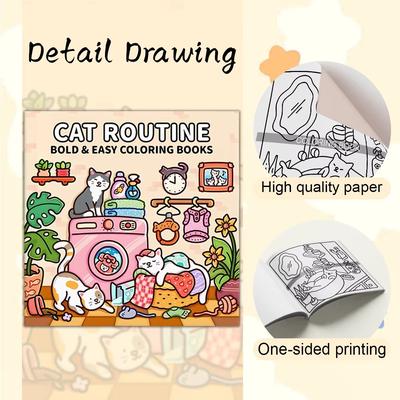
Color Me Unique Cat Coloring Book For Adults, With Upgraded Paper For Comfortable Coloring, The Perfect Relaxation Gift Unique Cat Coloring Book For Adults, With Upgraded Paper For Comfortable Coloring, The Perfect Relaxation GiftUnwind, destress, and unleash your creativity with our Unique CatThemed Picture Book for Relaxation. This isn't just another adult coloring book; it's a gateway to mindfulness and peaceful moments, designed specifically for cat lovers and coloring...25,97 $*Shipping: 0,00 $Secure redirect to the provider
-
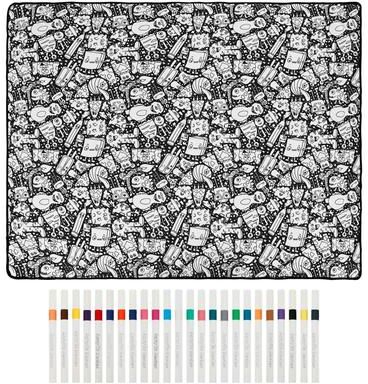
Uplift Picks DIY Coloring Blanket With 24 Markers Creative Reusable Art Throw monsterTurn cozy time into a creative activity with this DIY coloring blanket made for kids, families, and anyone who loves handson art. It includes 24 colored markers so you can personalize the printed design with your own color combinations. The soft...127,98 $*Shipping: 0,00 $Secure redirect to the provider
-
How do you conjugate in French?
In French, verbs are conjugated to match the subject of the sentence, including the person (I, you, he/she, we, they) and the tense (present, past, future, etc.). To conjugate a regular verb in the present tense, you remove the infinitive ending (-er, -ir, -re) and add the appropriate ending for the subject (je, tu, il/elle, nous, vous, ils/elles). For example, for the verb "parler" (to speak), you would conjugate it as "je parle" (I speak), "tu parles" (you speak), "il/elle parle" (he/she speaks), "nous parlons" (we speak), "vous parlez" (you speak), "ils/elles parlent" (they speak). Irregular verbs have their own unique conjugation patterns that need to be memorized. **
-
Can you help me conjugate avoir?
Sure! The verb "avoir" is conjugated as follows: - J'ai (I have) - Tu as (You have) - Il/Elle/On a (He/She/One has) - Nous avons (We have) - Vous avez (You have) - Ils/Elles ont (They have) **
-
How do you conjugate the Passé Composé?
To conjugate the Passé Composé in French, you typically use the auxiliary verb "avoir" or "être" followed by the past participle of the main verb. The choice between "avoir" and "être" depends on the verb being used and whether it is a transitive or intransitive verb. The past participle of regular -er verbs is formed by replacing the -er ending with -é, for -ir verbs you replace the -ir ending with -i, and for -re verbs you replace the -re ending with -u. Irregular verbs have unique past participle forms that need to be memorized. **
-
How do you conjugate something life-threatening?
When conjugating something life-threatening, it is important to use appropriate language and tone to convey the seriousness of the situation. This can involve using strong verbs and descriptive language to emphasize the severity of the threat. It is also important to provide clear and concise information about the potential risks and consequences associated with the life-threatening situation. Additionally, it is crucial to offer guidance on how to address or mitigate the threat to ensure the safety and well-being of those involved. **
* All prices are inclusive of VAT and, if applicable, plus shipping costs. The offer information is based on the details provided by the respective shop and is updated through automated processes. Real-time updates do not occur, so deviations can occur in individual cases. ** Note: Parts of this content were created by AI.